
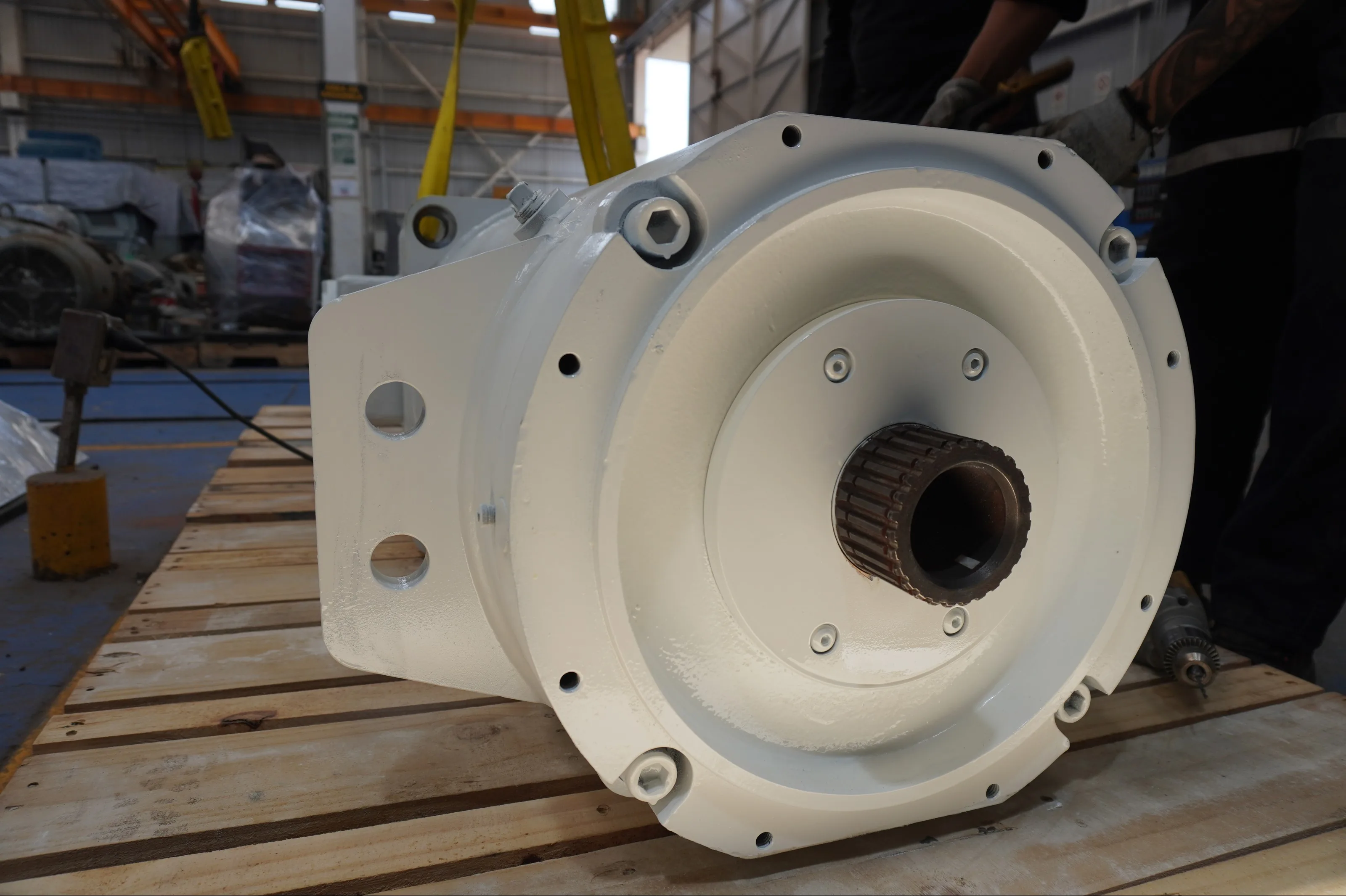
Joy 600128-716 Motor Reference – 235 HP 950 V
Reference only. This low-voltage motor is outside our current service scope. TEMISA accepts medium- and high-voltage motors only.
In short
The Joy 600128-716 is a 235 HP, 950 V, 1,760 rpm AC cutter motor. 235 HP at 950 V is the cutter rating Komatsu publishes for 14CM15, 14CM09, 12CM15 and 12CM12 continuous miners, two motors per machine. This rating is a technical reference only: TEMISA no longer accepts low-voltage motors, including this model.
Joy 600128-716 nameplate data
| Part number | 600128-716 |
|---|---|
| Power | 235 HP |
| Voltage | 950 V |
| Speed | 1,760 rpm |
| Frequency | 60 Hz |
Application
Which continuous miners use the Joy 600128-716?
235 HP at 950 V, 60 Hz is the cutter rating Komatsu publishes for the 14CM15, 14CM09, 12CM15 and 12CM12 continuous miners, with two cutter motors per machine. This is a rating match: confirm the part number on your motor's nameplate or your machine's parts book.
Source: Rating: Davis Electric (Fairmont, WV) public Joy motor exchange inventory. Machine ratings: Komatsu product pages.
Historical process reference. These tables are not a current offer for this low-voltage model.
Scope of work
Documented repair process: winding and enclosure
| What we upgrade | What we never change |
|---|---|
| Stator rewound with new form-wound coils | Explosion-proof enclosure |
| Class H insulation system | Flame-path surfaces and their dimensions |
| Varnish treatment with dehydration and controlled oven cure | Lead entrances |
| Bearing fits restored to ANSI/EASA AR100 tolerances | Mounting and shaft dimensions |
| New bearings, induction-mounted, and new seals | Nameplate rating: HP, voltage and speed stay as built |
| Rotor dynamically balanced | |
| Temperature sensors (RTDs) tested |
Enclosure dimensions are not modified. Before a rebuilt explosion-proof motor goes back underground, the mine's qualified electrical person inspects it, as MSHA regulations require.
In our shop
What happens to your motor at TEMISA
 1
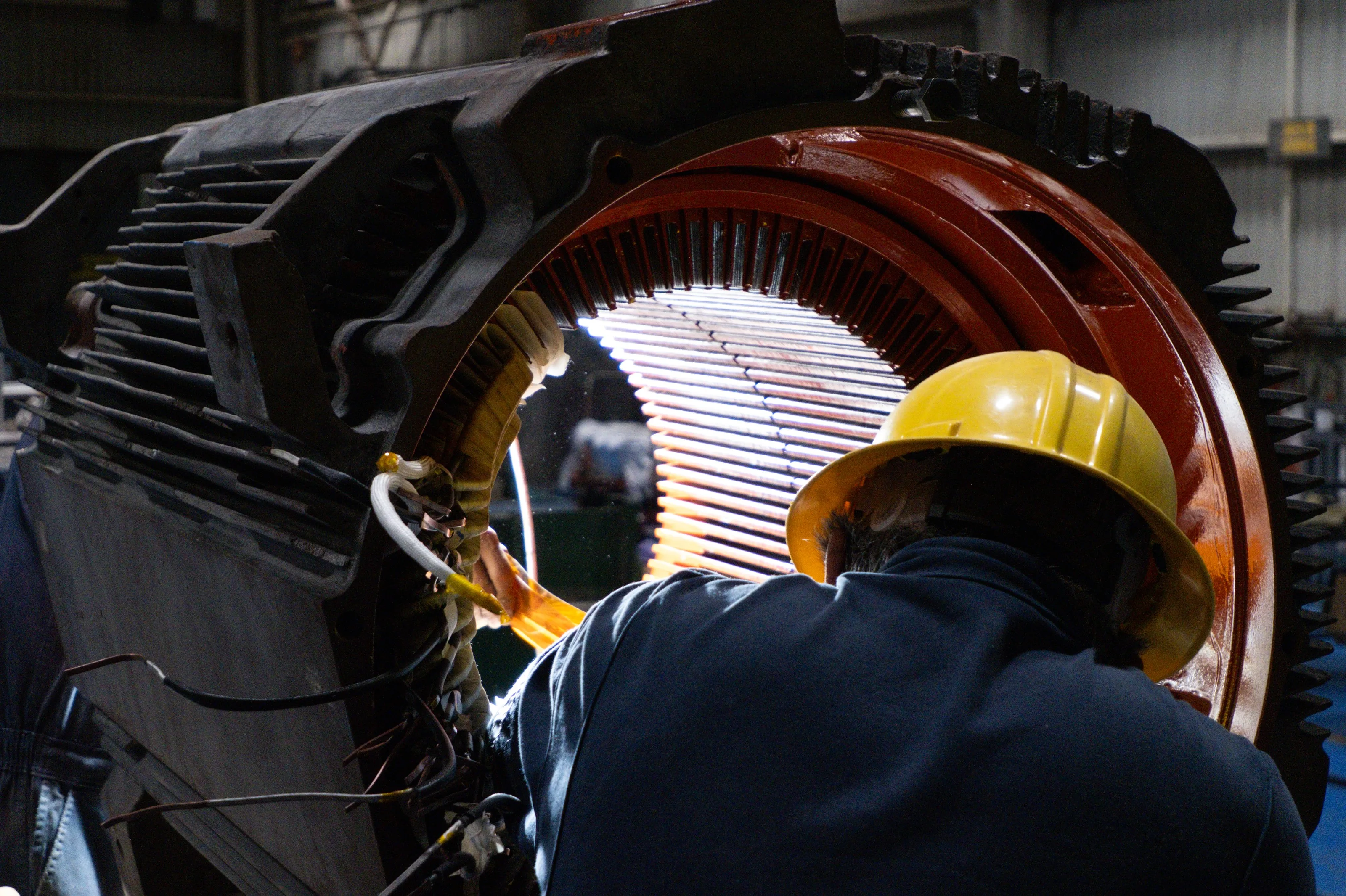
Teardown and diagnosis
The failed winding is exposed and documented before anything is quoted.
 2
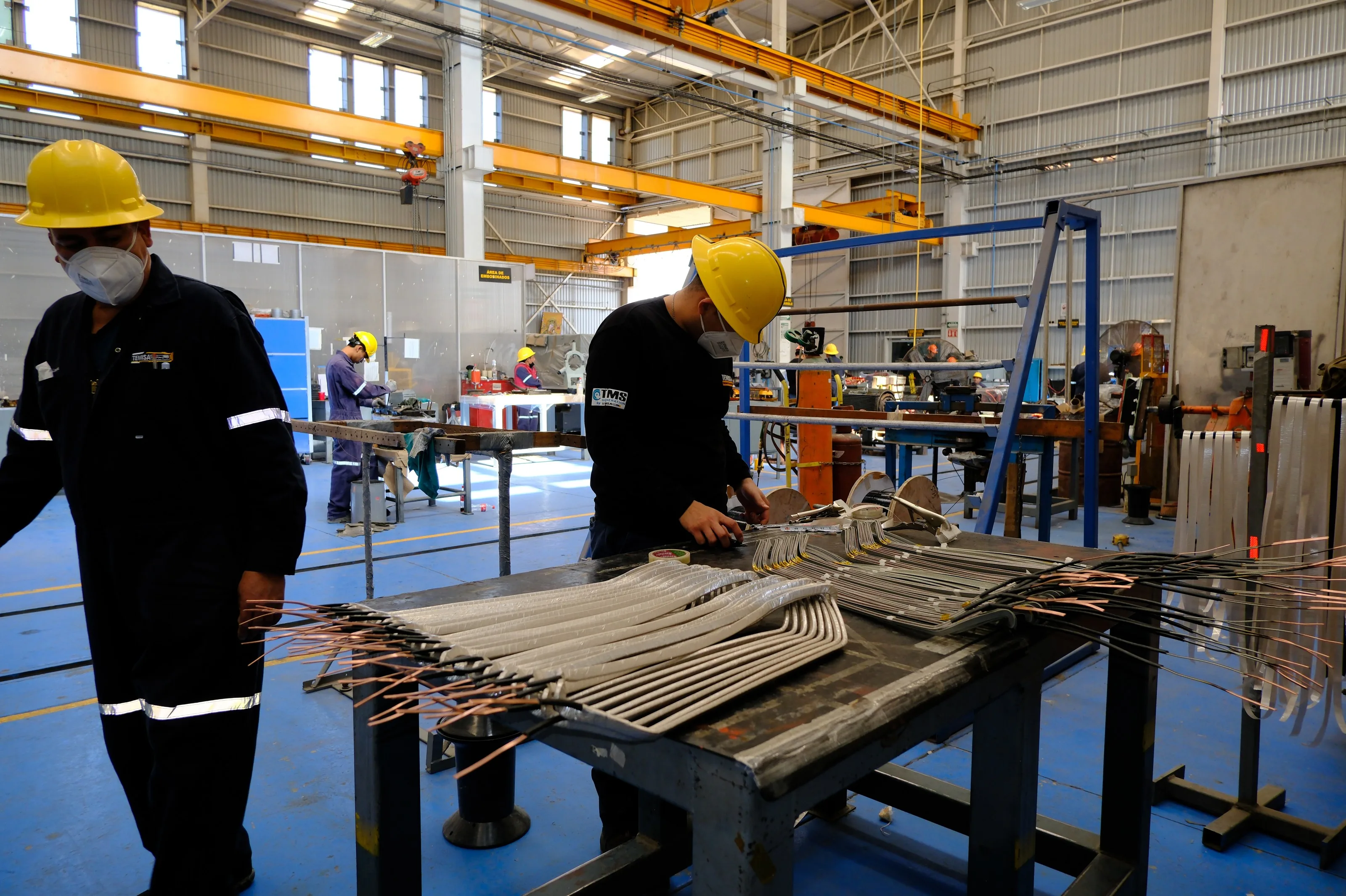
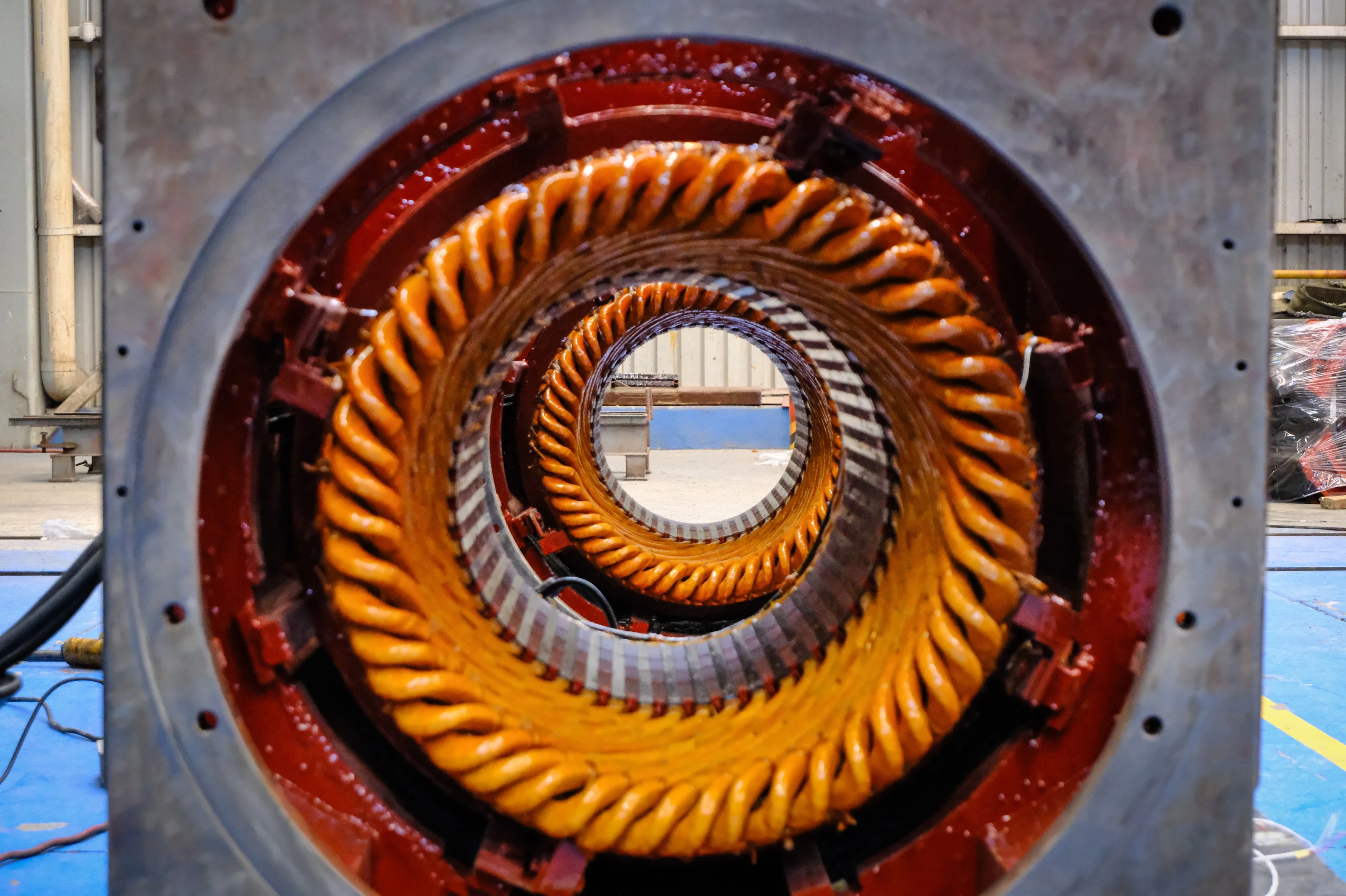
Form-wound coils
New coils are formed and taped in the shop; the core is checked first.
 3
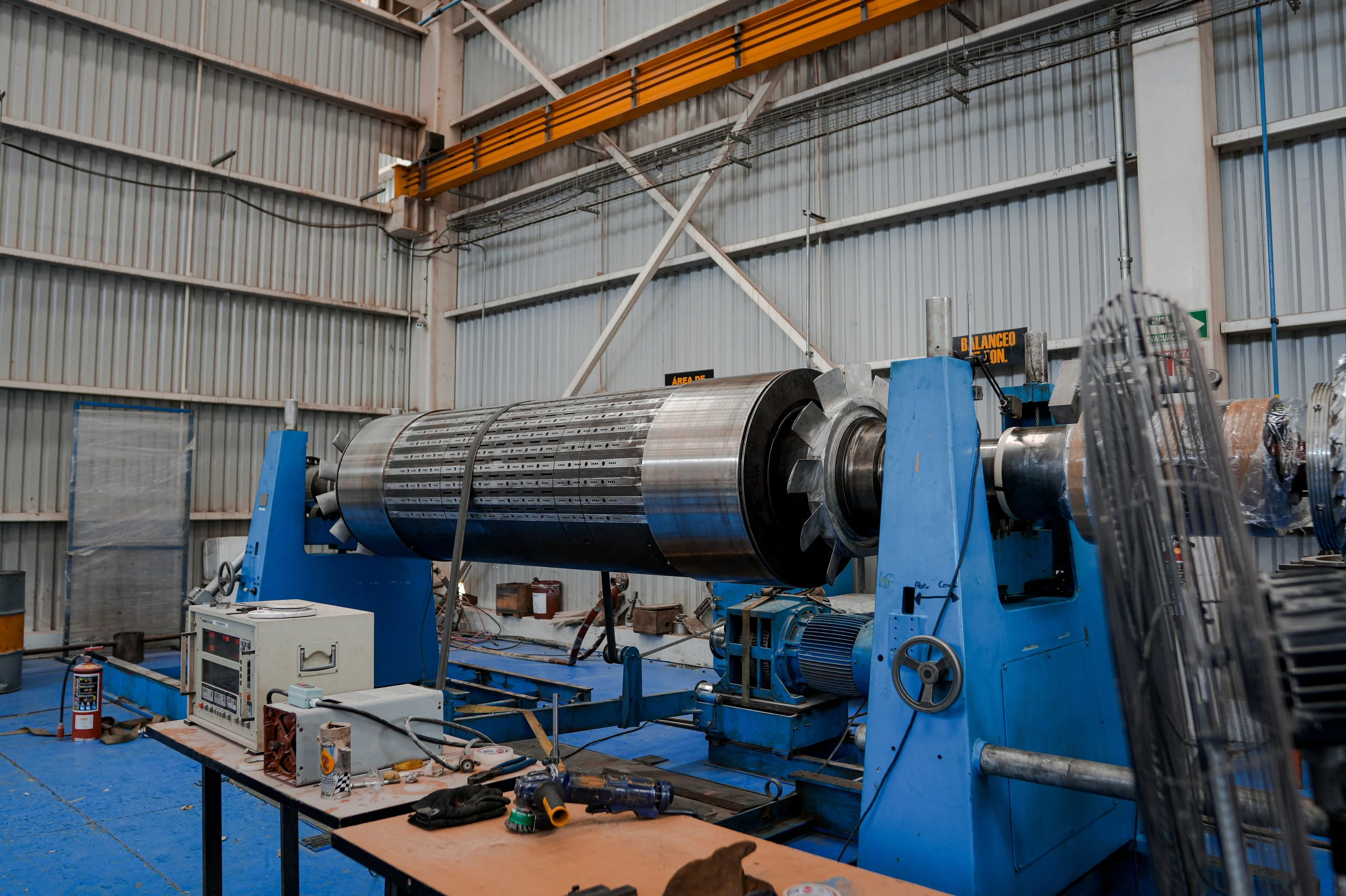
Varnish and oven cure
The winding is dehydrated, varnished and cured in a controlled oven.
 4
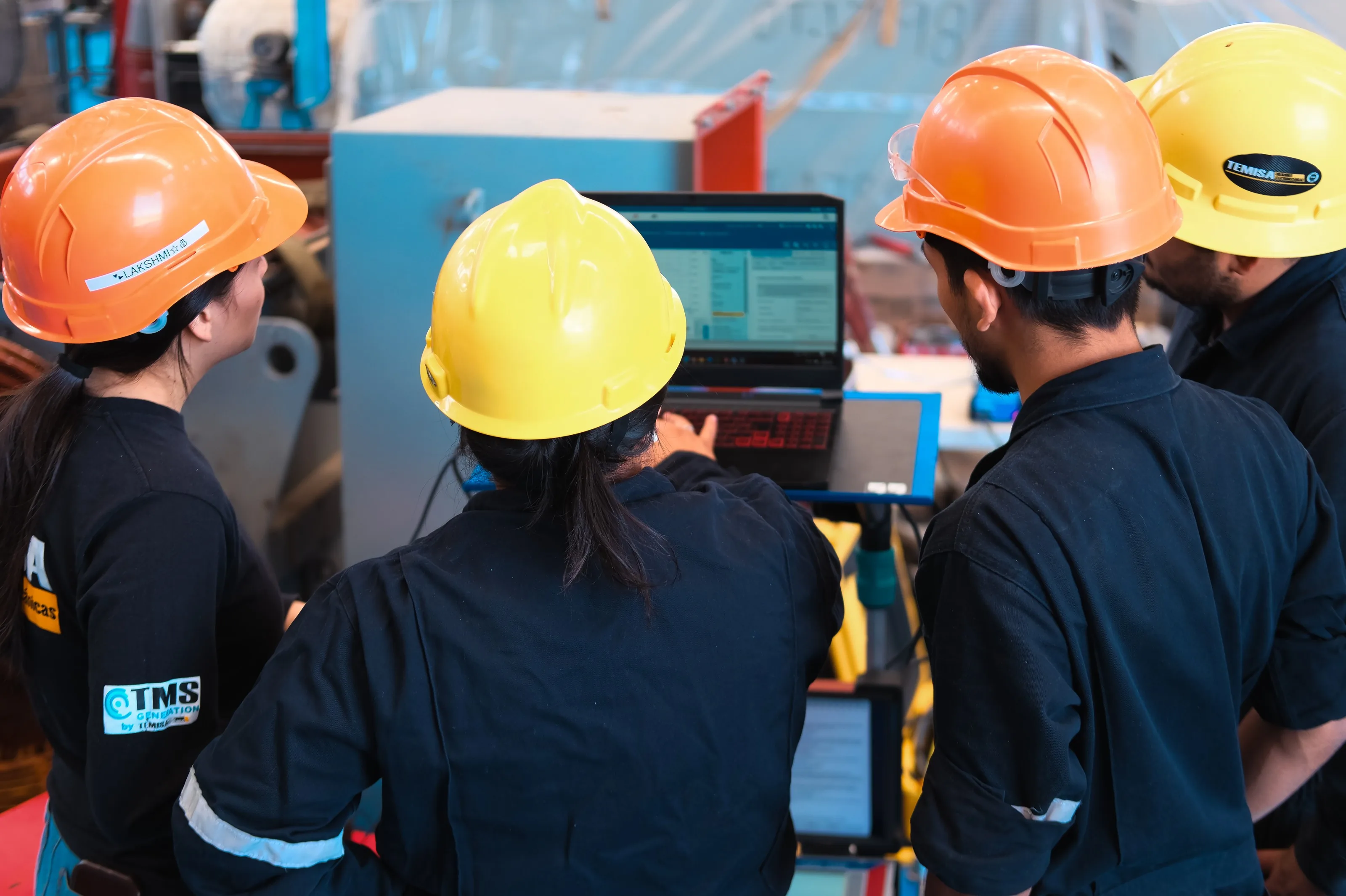
Dynamic balance
The rotor is balanced and the residual unbalance is recorded.
 5
Release tests
Static and dynamic tests are recorded before the motor ships.
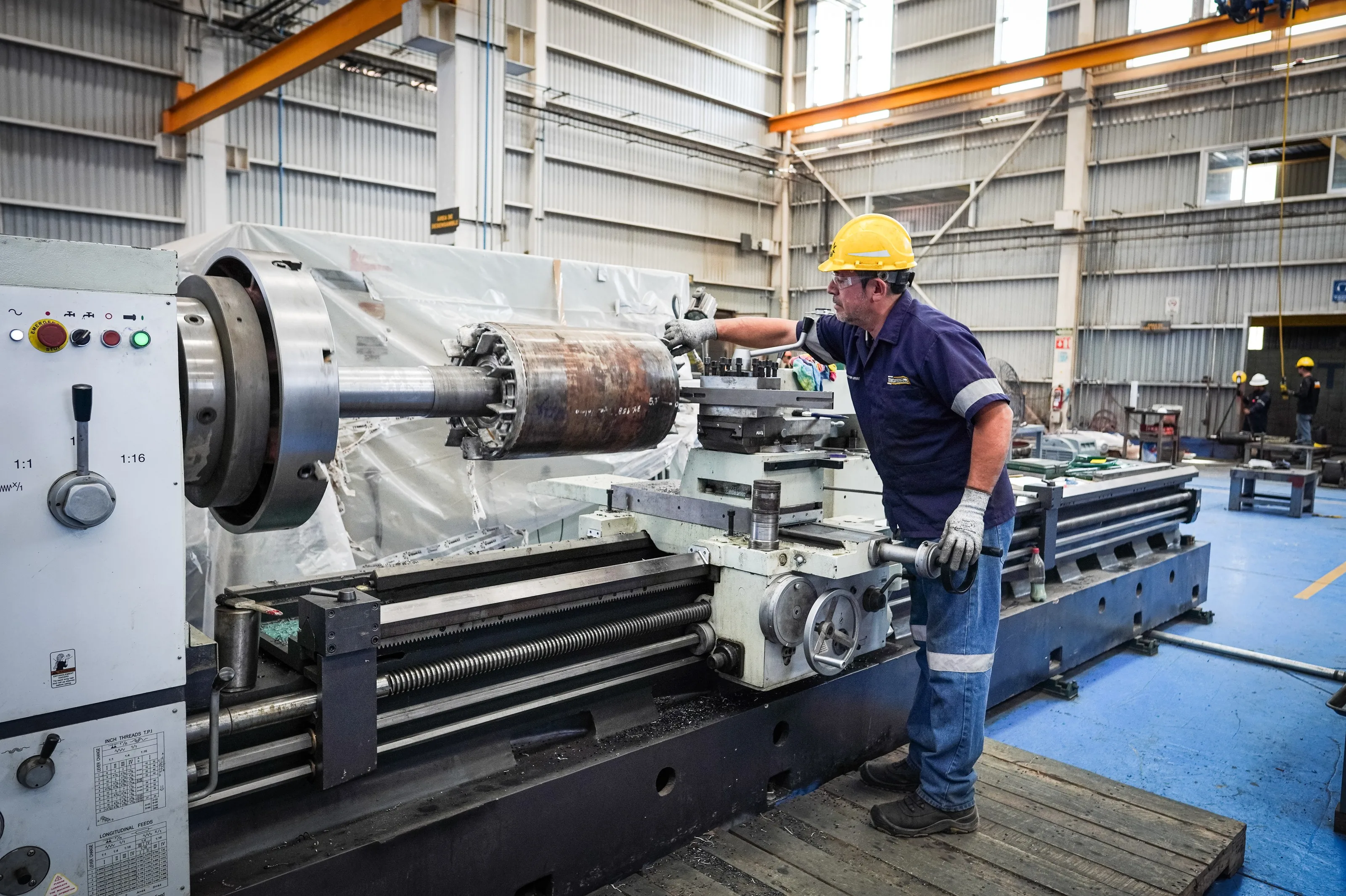
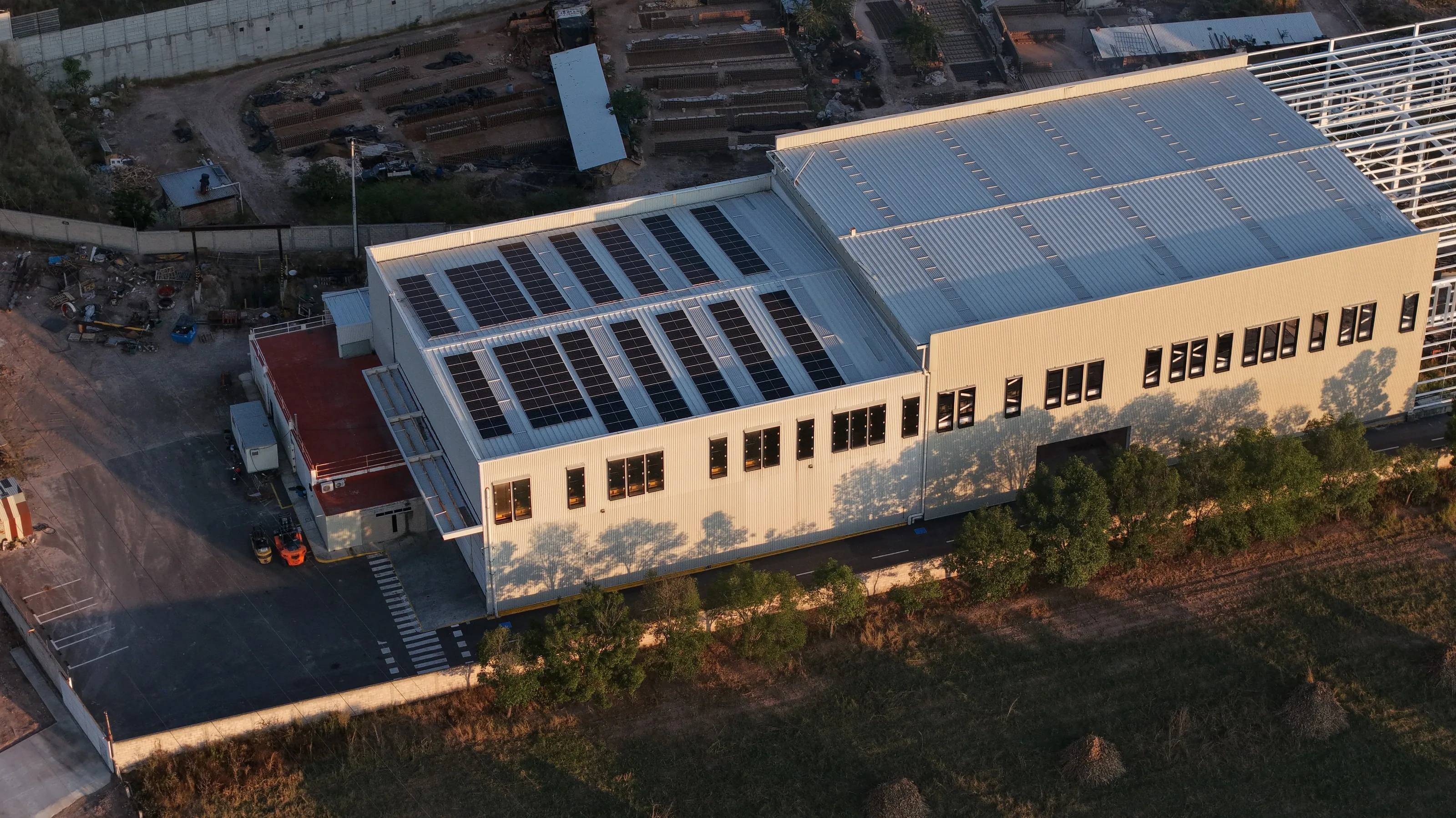
Photos taken at the TEMISA shop. They show the process, not a specific customer motor.
Release tests
Tests recorded for the historical Joy repair
| Test | Standard | Acceptance |
|---|---|---|
| Winding resistance, phase to phase | IEEE Std 1415 | Unbalance < 3% |
| Insulation resistance, 1 min | IEEE Std 43 | > 100 MΩ |
| Polarization index and dielectric absorption | IEEE Std 43 | PI > 2.0 · DAR > 1.5 |
| Step-voltage DC high-potential | IEEE Std 95 | > 100 MΩ, leakage < 1 mA |
| Surge comparison (turn-to-turn) | IEEE Std 522 | EAR L-L < 3% · P-P < 10% |
| Core loop test with thermography | Shop procedure | Uniform core temperature |
| Rotor growler test | Shop procedure | No open bars |
| Dynamic balance of rotor | ISO 21940 | Residual unbalance recorded |
| 60-minute run test: current, temperature, vibration | Shop procedure | Vibration < 0.11 in/s |
Other Joy cutter motors
Have a different motor above 1,000 V?
Check its nameplate and request a scope review through our medium- and high-voltage enquiry form.
Medium/high-voltage enquiries